Right to repair: Directive 2024/1799 enters into force
Directive (EU) 2024/1799 of 13 June 2024 requires manufacturers to repair goods even after the warranty expires. Germany implemented its ecodesign reform in May 2026, granting volunteers the right to spare parts.
 Naomi FeldmanCulture, food and lifestyle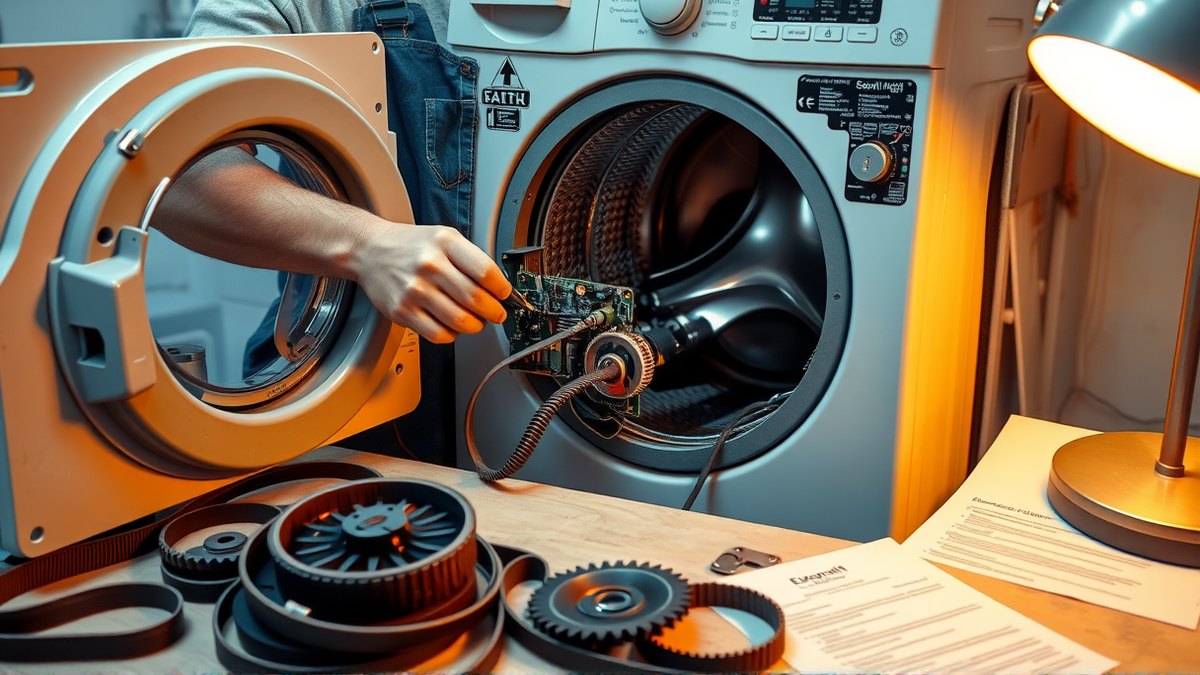
Directive (EU) 2024/1799 of the European Parliament and of the Council, dated 13 June 2024, sets common rules for promoting the repair of goods. It appeared in the Official Journal on 10 July 2024 and amends earlier consumer legislation, including Regulation (EU) 2017/2394 and Directives 2019/771 and 2020/1828. The logic is simple: repair should be easier and cheaper than replacement. Producers cannot block it by withholding parts, charging prohibitive prices, or using software that prevents intervention. The consolidated version has applied since 31 July 2026, ending the implementation period for member states.
A mountain of waste
The scale of the problem is well documented. In an analysis published on 23 June 2026, heise online reports that the European Union generates 35 million tonnes of waste annually because products are discarded prematurely instead of being repaired. The examples are concrete: smartphones with built-in batteries, washing machines lacking available spare parts, and manufacturers blocking repairs through software locks. New labelling obligations also require products to display information about the right to repair.
Germany catches up
On 23 May 2026, the Bundestag passed a package of laws modernising Germany's implementation of European ecodesign and energy labelling rules. The coalition factions CDU/CSU and SPD voted in favour, while the opposition voted against. As heise online reports, the reform grants volunteers, such as those running repair cafés, the right to receive spare parts. It also tightens market surveillance.
Clothing is a good too
For the fashion industry, the scope of the term "goods" is critical. The directive covers consumer products, so the emphasis on parts availability, technical documentation, and post-warranty repair extends to clothing and footwear: zips, buttons, linings, and soles. Brands that built their models on disposability must now calculate whether it is cheaper to design for repair or to face reputational damage and rising regulatory demands.
Sources
3- 01Directive (EU) 2024/1799 on common rules promoting the repair of goods (EUR-Lex)EN
- 02Reparieren statt wegwerfen: Das neue EU-Recht auf Reparatur (heise online)DE
- 03Repair-Cafés jubeln: Bundestag beschließt Ökodesign-Reform (heise online)DE
All figures and quotations in this text come from the sources listed below.
Content prepared by the editorial team with AI assistance.
Naomi Feldman
Comments
0- No comments yet — be the first.