Esports at the 2026 Asian Games: 537 players, 29 countries, 11 medal events
The tournament in Tokoname, Aichi Prefecture, features 537 players from 29 countries. Competition runs from 22 September to 2 October. The Olympic Council of Asia spent over two years finalizing the list of titles.
 Daniel FisherSport, cars and travel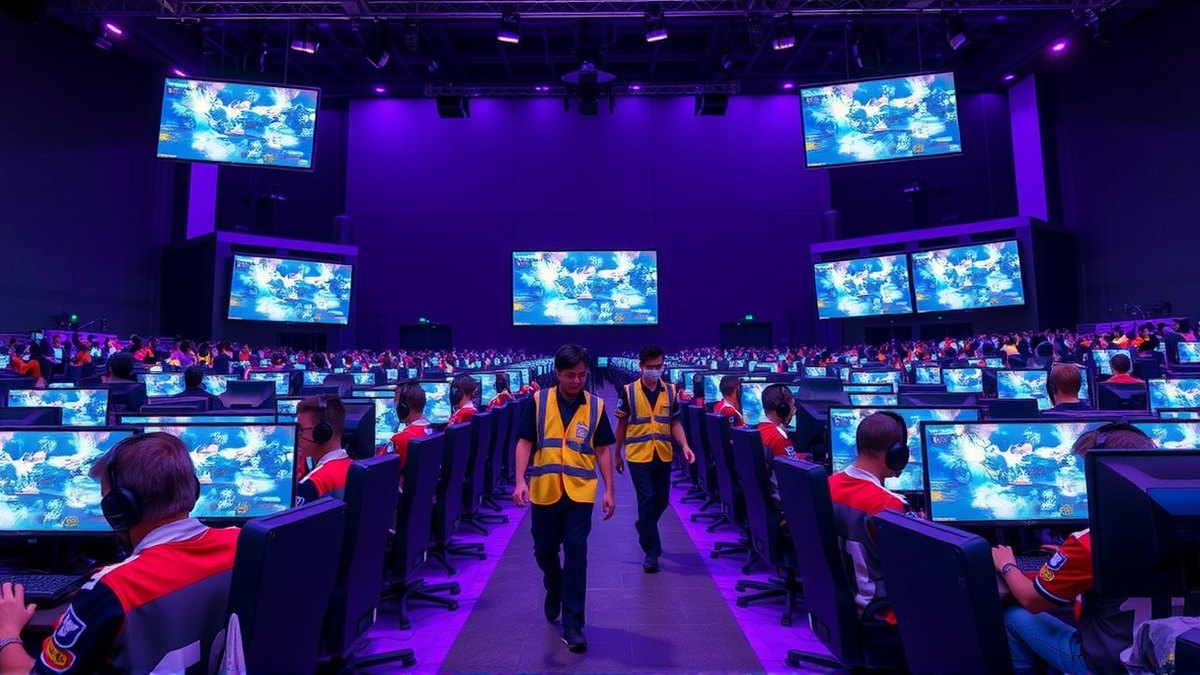
Esports officially joined the 20th Asian Games calendar on 8 July 2023. The Olympic Council of Asia named the co-organizers: the Japan Esports Union and the Asian Electronic Sports Federation. The venue is Hall D of the Aichi International Exhibition Centre in Tokoname, Aichi Prefecture.
537 players from 29 countries compete in 11 events. This is the largest esports edition in Asian Games history. The Hangzhou tournament also had medal status, but it was smaller.
Two years of uncertainty
In November 2024, the Olympic Council of Asia considered removing esports from the Games. They proposed a separate competition for non-traditional disciplines, including chess and card games. On 6 February 2025, the OCA board approved 11 titles. On 22 February 2025, the list was finalized: 13 titles across 11 events.
The program includes eFootball, Gran Turismo 7, Honor of Kings, Naraka: Bladepoint, Puyo Puyo Champions, Identity V, League of Legends, Mobile Legends: Bang Bang, Pokémon Unite, PUBG Mobile, and computer-based fighting games. Some are mobile titles, some are console titles, and one category uses a team format.
Format matters more than the game list
For organizers, the challenge is not the choice of titles. Eleven different games in one venue over eleven days require a shared refereeing and monitoring system. Reports from the Chinese technical team describe the problem. Each game has its own engine, versioning mechanism, and hardware requirements. Yet referees, staff, and monitoring must use a single set of tools.
Events follow a phased system: preliminary rounds, eliminations, quarter-finals, semi-finals, and finals, spread between 22 September and 2 October. The schedule covers every day of the tournament, with some finals scheduled for the final days.
A discipline of checks
The anti-cheat framework is significant. An esports tournament at the Games requires the same equipment rules as traditional disciplines: checks on input devices and peripherals, verification of game versions, and in-match monitoring. Without this, esports would lack the basis to remain in a multi-sport event program. That is why the tournament is run by a single system covering all eleven events.
Esports entered the Games not as a demonstration but as a medal category with the full anti-cheat apparatus, identical to that used in traditional disciplines. Consistency in enforcing rules, not the number of titles, will determine whether esports becomes a permanent part of multi-sport events in the coming years.
Sources
2All figures and quotations in this text come from the sources listed below.
Content prepared by the editorial team with AI assistance.
Daniel Fisher
Comments
0- No comments yet — be the first.