Chinese judging system at the Asian Games: 11 esports events and 217 matches without a hitch
Tencent Esports will run all eleven esports events at the 20th Asian Games on its ECS system. At the Hangzhou Games, the same technology handled 217 matches without a single incident.
 Peter LindqvistSport, cars and travel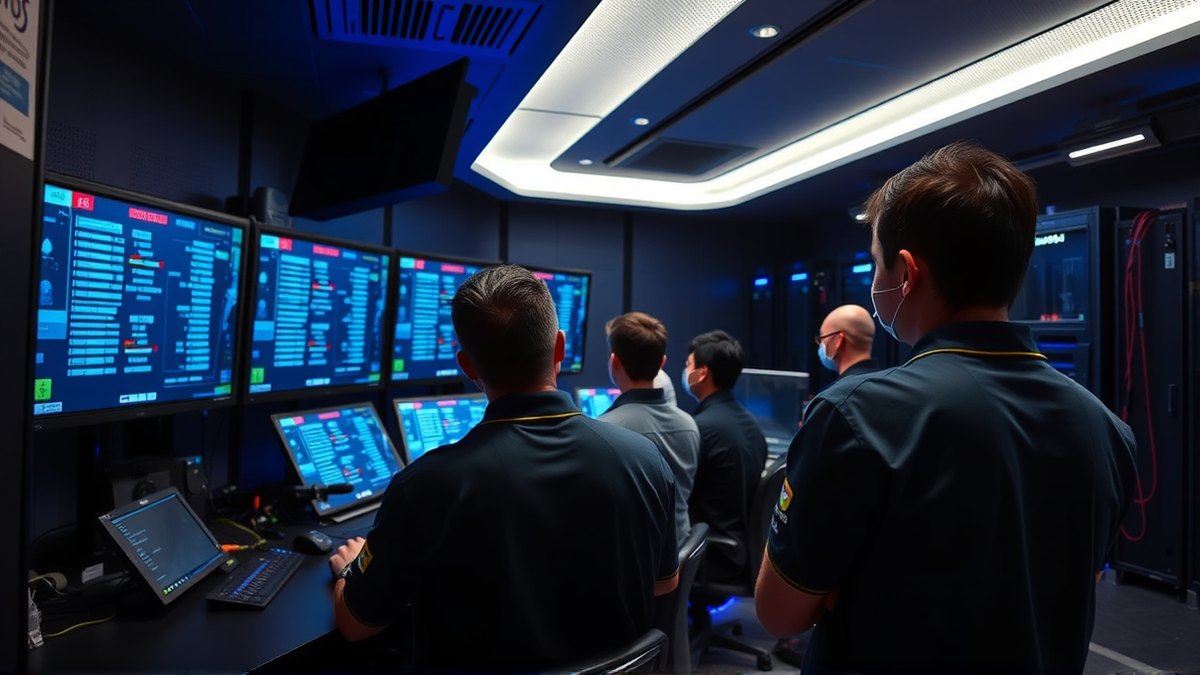
The esports tournament of the 20th Asian Games runs from 22 September to 2 October 2026. It is the second edition where esports counts as a full medal event. China Daily reported that Tencent Esports announced on 20 September it would supply the system for the entire tournament. All eleven events will run on the Esports Competition Solution, or ECS.
The scale is unprecedented. One venue, eleven days, eleven events, six categories, and multiple game publishers. Each publisher brings its own engine, versioning mechanism, and end-device format. A traditional professional league handles one game and one event. Continental games require referees, staff, and monitoring to work from a single system.
Three phases of control
ECS operates before, during, and after a match. The company describes the result as a complete chain of evidence. Before play, a checkpoint inspects devices, interfaces, and the network, blocking unauthorised peripherals, cheat macros, and plug-ins. During the match, an eagle-eye cockpit monitors more than 30 indicators simultaneously. It allows officials to watch the game from multiple perspectives, feeding the referee data and images. After the match, a review room lets them replay the sequence of events, analyse it structurally, and store key recordings securely with a report.
Figures from the previous edition serve as the strongest argument. In Hangzhou, during the 19th Asian Games, Tencent Esports provided technical support for 217 matches. Chinese reports state that no technical incidents were recorded.
The entry of esports into the compound Games means it has to comply with the fair competition rules of traditional sport, said Zhang Yati, esports coordinator at the Olympic Council of Asia.
Earlier tests were also scheduled. From January to June 2026, the system went through three rounds of checks in Japan, Singapore, and Vietnam. These verified operation at multiple venues under different network conditions. In September, the technical team entered the venue and finished installation and integration testing.
A standard, not a single event
ECS was built not for one tournament but as a product solution. Tencent Esports describes it as a system covering the whole life cycle of a competition, from equipment checks through refereeing to evidence archiving. In Hangzhou, the same technology handled 217 matches. In 2026, it covers eleven titles at once. For federations outside Asia, this signals that esports refereeing can be captured in a single technical standard, even though the games belong to different publishers.
Another question remains open: will a standard imposed by a supplier from one country be accepted just as easily in competitions run under another jurisdiction? This is especially true when the stakes are match data and recordings meant to serve as evidence.
For the sport, what matters is not the tournament itself but the standard. If the system handles an eleven-day tournament in eleven games at once, it becomes a candidate for a shared technical foundation for other continental events.
Sources
3All figures and quotations in this text come from the sources listed below.
Content prepared by the editorial team with AI assistance.
Peter Lindqvist
Comments
0- No comments yet — be the first.