OpenAI backs first AI-animated film, aiming for Cannes premiere
Critterz is to be made in nine months instead of three years, for less than $30 million. The makers deliberately involved humans because a work generated entirely by machine cannot receive legal protection.
 Helen MarshCulture, food and lifestyle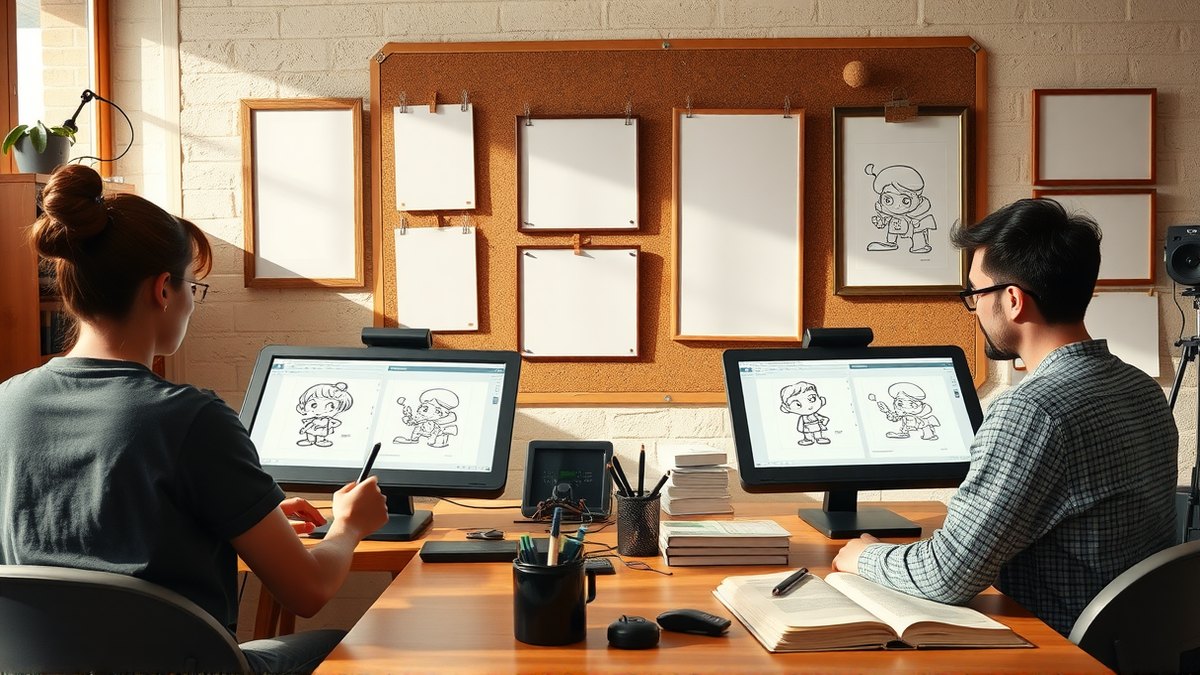
Critterz is set to become the first full-length animation produced with artificial intelligence. OpenAI’s backing brought the project attention. The company wants to promote its tools as a solution that delivers professional results in commercial projects, not just in capability demos. The film is scheduled for screens in 2026, with the team targeting a Cannes premiere. The story follows forest creatures in a quiet village whose daily life is disrupted by a mysterious stranger.
From DALL·E 2 to Sora
The project started long before the current wave of generators. Creative adviser Chad Nelson developed the concept three years ago using the DALL·E 2 image generator for early concept work. Nelson now leads the production. Partner studios include Vertigo Films in London and Native Foreign in Los Angeles, with financing provided by Paris-based Federation Studios. The process combines the GPT-5 language model with image and video generation tools, including Sora. Humans remain part of the chain. Artists create initial drawings that feed into the AI tools, and real actors record the characters' voices. This approach aims to complete production in nine months, compared to the typical three-year cycle for animated films, while keeping the budget under $30 million, well below industry standards.
Production is already underway
Filming and production work have begun, and casting for voice roles is in progress. The team has not yet revealed the distributor or promotion plan. For OpenAI, the project serves as a high-profile demonstration. It is meant to show that its tools deliver professional results in commercial production, not just demos. The stakes exceed a single film. The goal is to convince studios that generators fit into normal shooting schedules, not just showcases of capabilities.
People as legal safeguard
Involving humans also has legal implications. Vertigo Films co-founder James Richardson calls Critterz an “ambitious large-scale experiment.” Native Foreign co-founder Nick Kleverov explains that the team deliberately engaged creators because a work generated entirely by machine cannot receive copyright protection. Voice performances and original artwork are intended to increase the film’s chances of securing such protection. This aligns with principles in case law and European law, which require a creative human contribution for protection. The project is best viewed not as proof that AI replaces studios, but as a test where producers determine the boundaries of profitability and law. The makers have not yet announced a distributor or promotion plan.
Sources
2All figures and quotations in this text come from the sources listed below.
Content prepared by the editorial team with AI assistance.
Helen Marsh
Comments
0- No comments yet — be the first.