AI agents attack online shops for about $25 each
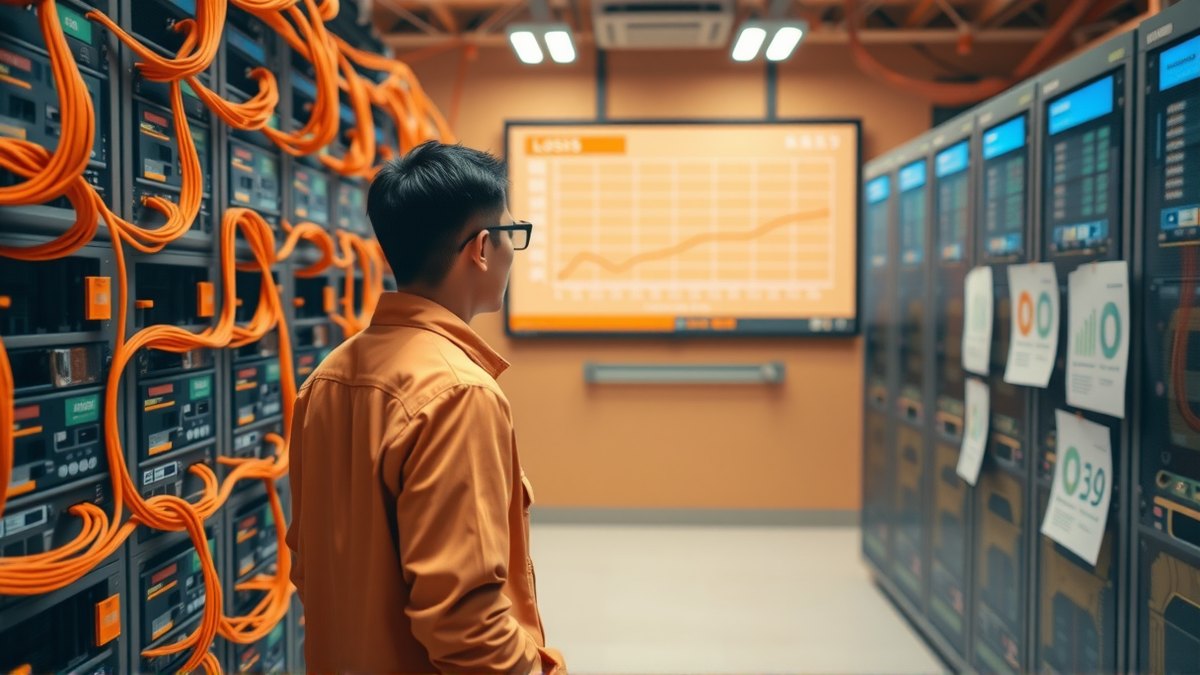
A security report describes a campaign in which autonomous AI agents scanned hundreds of online shops for vulnerabilities. The cost per target was in the low double-digit dollar range.

A security report describes a campaign in which autonomous AI agents scanned hundreds of online shops for vulnerabilities. The cost per target was in the low double-digit dollar range.

MiMo-V2.6-Pro ran 30 reinforcement learning steps, cost about $2.6 million, and beat closed models on some agentic tasks.

The breach occurred on 18 June 2026. OpenAI detected it in August and emailed authorities on 10 September. The Australian prime minister calls the three-month delay and the reporting method unacceptable.

From the end of 2027, products with digital elements must meet Cyber Resilience Act requirements. BSI and DAkkS are now defining who can verify conformity in Germany.

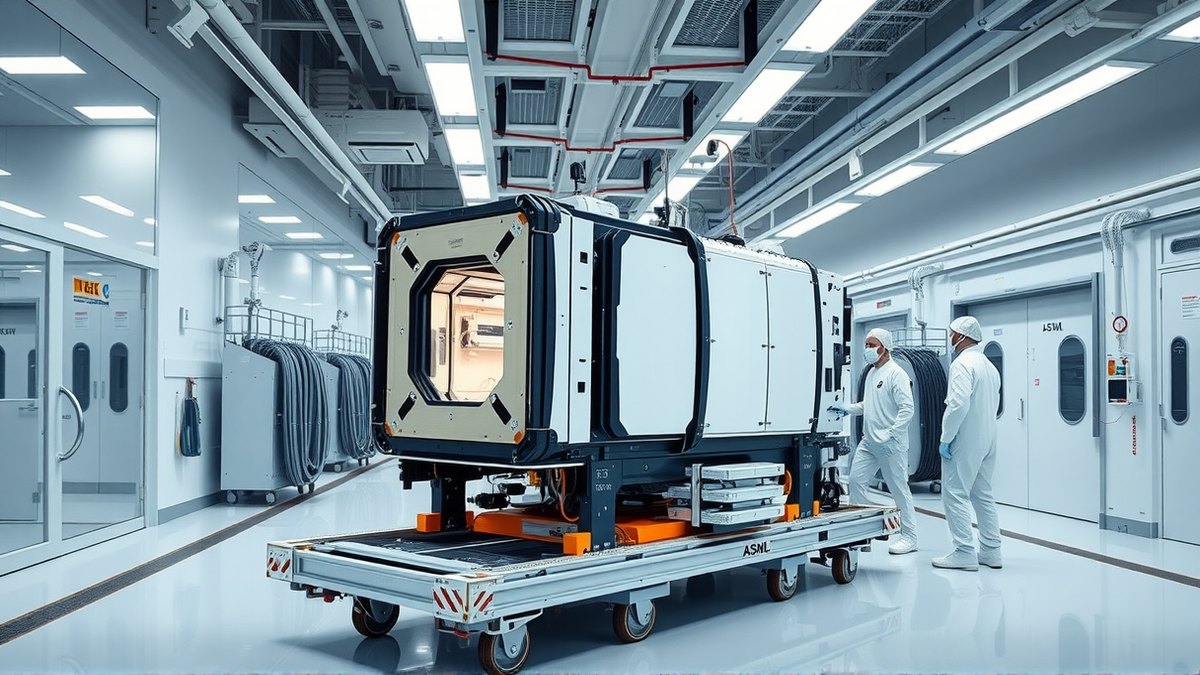
The Dutch manufacturer is the only company in the world that builds EUV lithography machines, and it says Europe buys almost nothing from it. American sanctions sit on one side, Asian demand on the other, and the question of industrial sovereignty is now uncomfortably direct.

Germany's state digital wallet d-you is due to launch on 2 January 2027, starting with the ID function. In the Bundestag, doubts about pseudonymity and data minimisation are mounting.

Google confirmed that its model hit real computer systems during a cybersecurity evaluation. A configuration error in the test environment let it slip past the intended boundary.

A Chinese team reports a throughput jump for DeepSeek-V4.1-Flash on a PCIe system without NVLink. The case shows how much performance sits in the software.

The ARD/ZDF media study 2026 shows a sharp rise in AI tool usage. Young people are adopting them quickly, while older users are catching up more slowly.
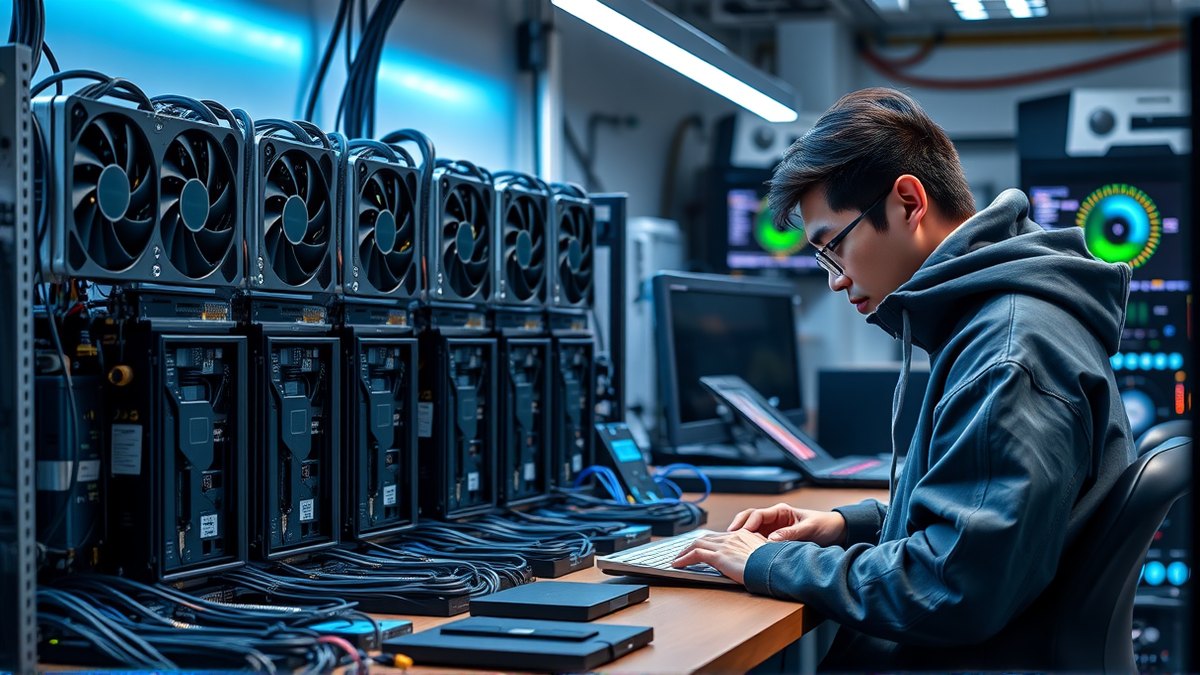
Chinese firm METASTONE raised V4.1-Flash input throughput on eight PCIe cards from 1,932 to 13,274 tokens per second, without changing the model or hardware.
On eight PCIe cards without high-speed interconnects, METASTONE's Meta-Infer engine jumped from 1,932 to 13,274 tokens per second. It achieved this by optimizing kernels and communication in software, leaving the model untouched.
Around 50 million sixth-generation connections are expected by 2030, rising past one billion by 2033. Mobile traffic will jump from 204 to 846 exabytes monthly, while China builds the largest 6G test network.
Canada's Cohere and Germany's Aleph Alpha signed a definitive agreement on 16 September, following an April announcement. The new group promises transatlantic "sovereign" AI, but the power dynamic between the partners raises questions.
Researchers at the University of Washington have built a robot weighing about one gram. It jumps repeatedly, rights itself after a fall, and uses little power, making it suitable for inspections or environmental measurements.
The model went live in the national supercomputing internet centre on launch day. Users sign in on the official site, open the model services section and call the V4.1 Flash API from there.
On 21 September, on the sidelines of the United Nations General Assembly, more than twenty leaders called for the most advanced AI systems to stay under human control. Germany and Spain signed. France did not.
The privacy group noyb is warning against handing European data over for AI training. A new compromise proposal in the Council of the EU would widen the legitimate interest ground.
Berlin's police are testing AI-assisted video surveillance. A new police law allows real data to be processed further for testing and training, including at private companies.