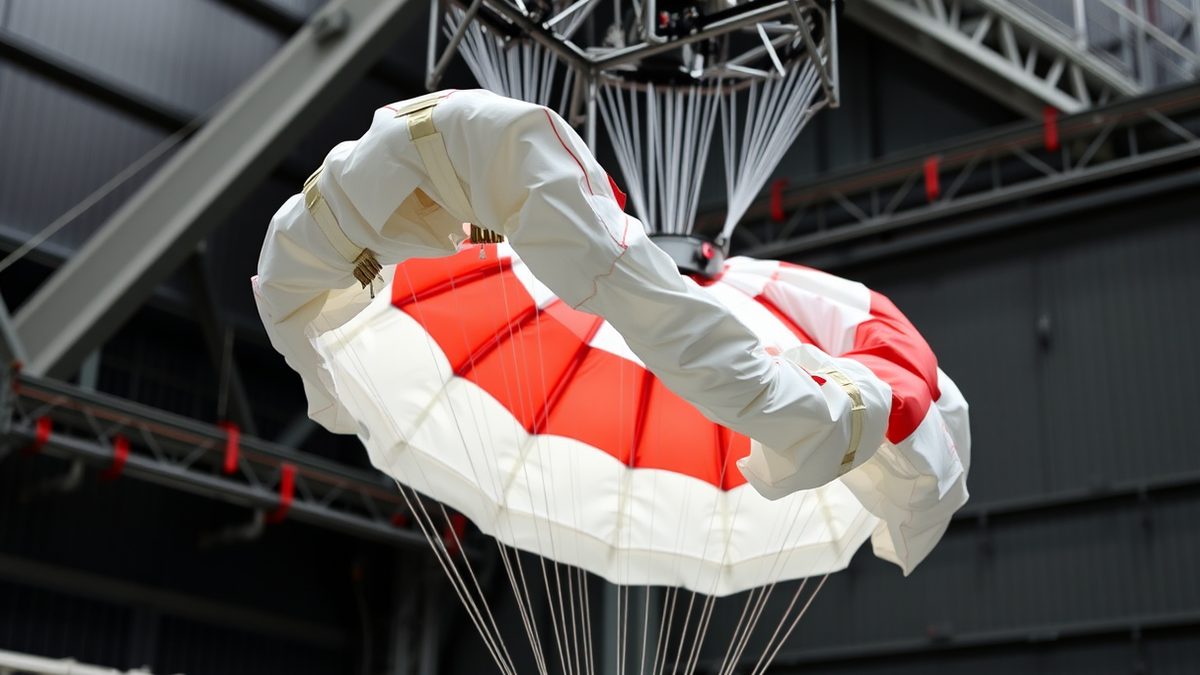
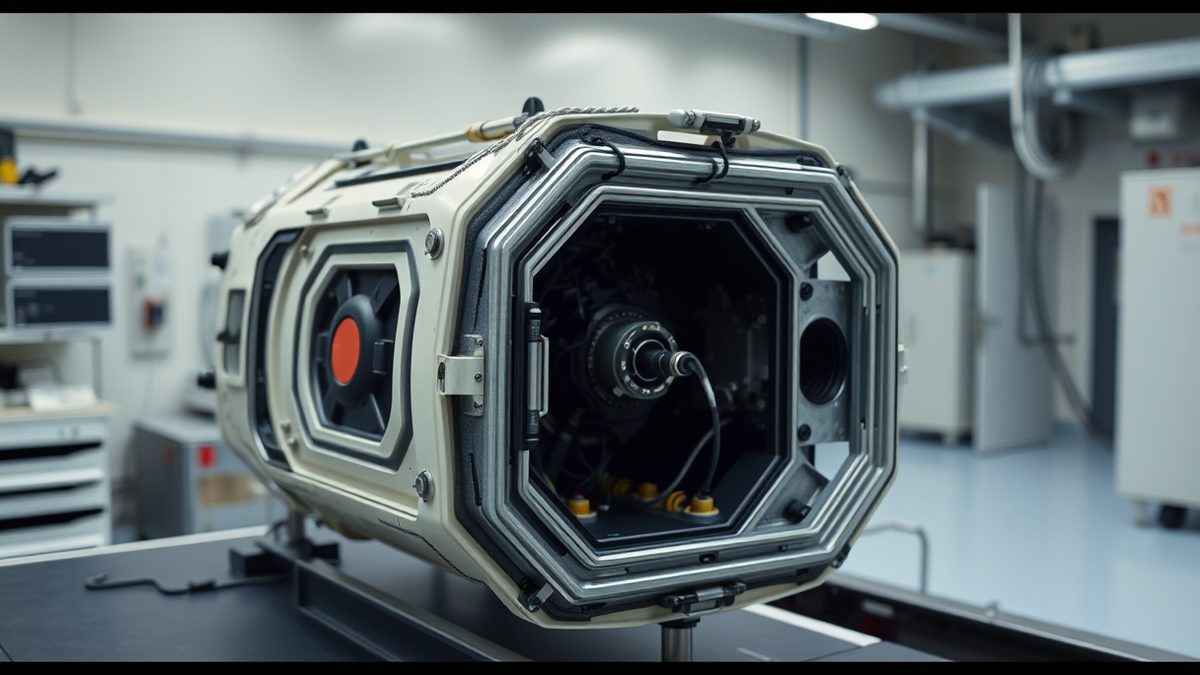
Russia's state space corporation will begin parachute drop tests of its next-generation crewed spacecraft this autumn, Ars Technica reported on 30 September, with a first crewed launch still pencilled in for 2028 or 2029.
Science1 October 20263 min readSources 5
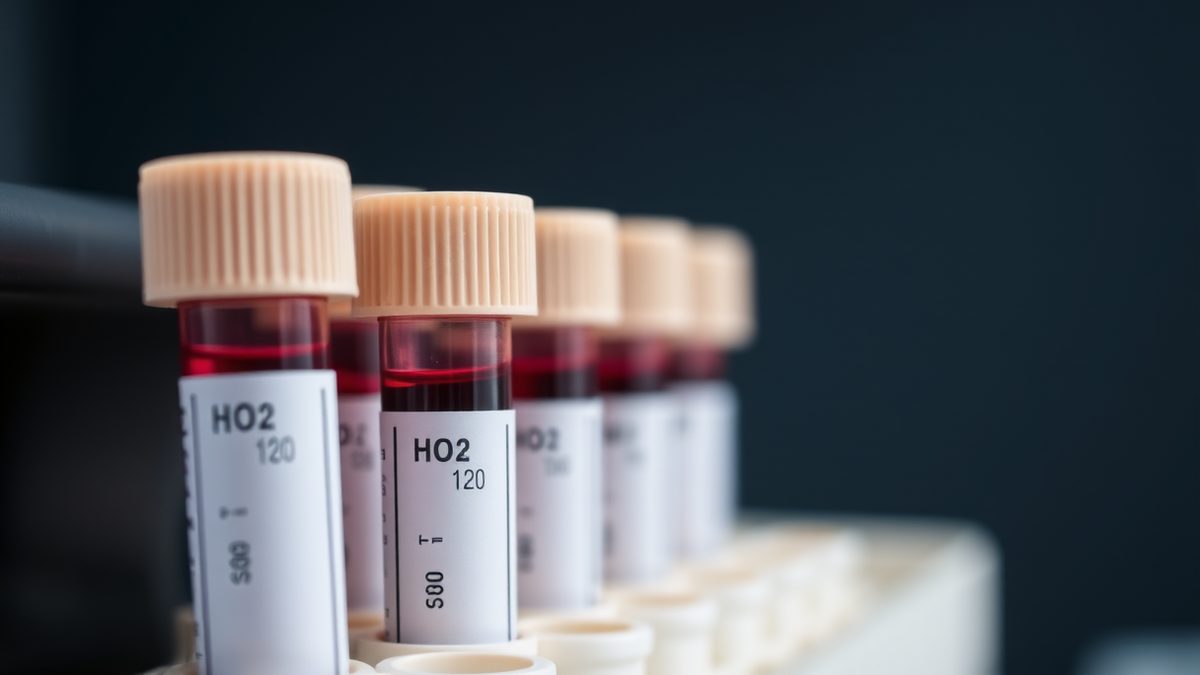
Blood samples from 52 astronauts suggest gut bacteria start fermenting protein within weeks of arriving in orbit, according to University of Copenhagen research published on 28 September. On 1 October, the first Google TPUs headed for orbit aboard a SpaceX Falcon 9.
Science1 October 20264 min readSources 12
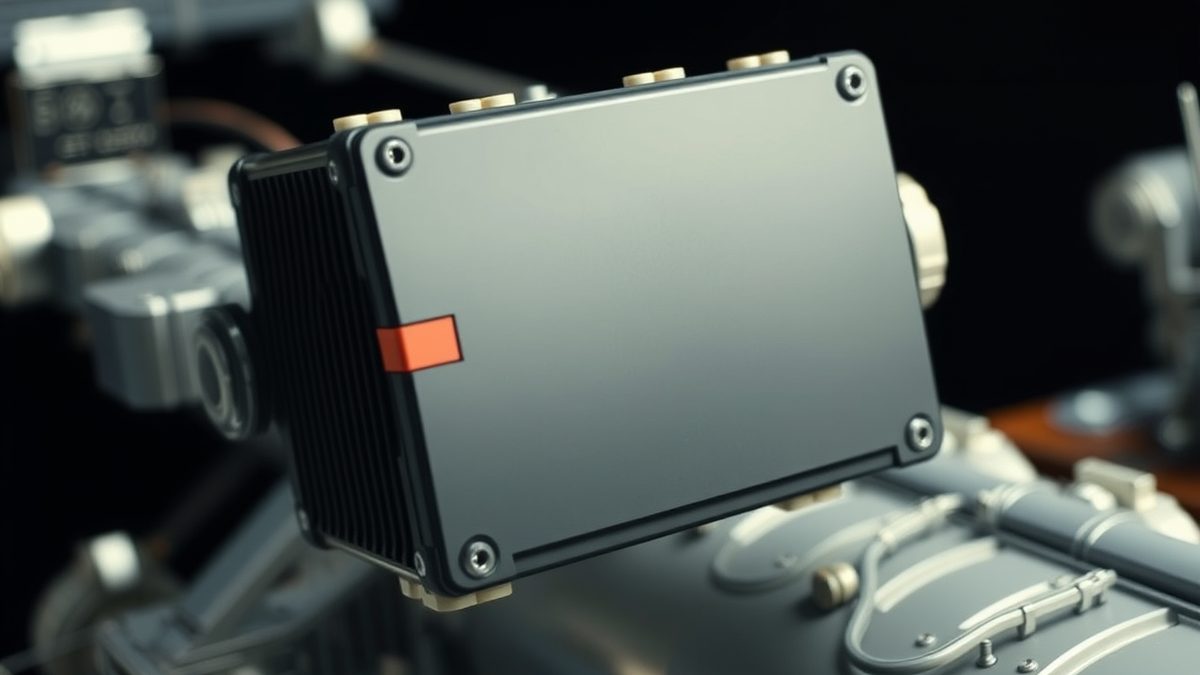
Google's tensor processing units launched toward orbit on a SpaceX Falcon 9 on Thursday, marking the first in-orbit test of Alphabet's Project Suncatcher. On the same day, Sunnyvale and Nairobi-based Satlyt announced it raised an $8 million seed round to run AI on satellites.
Science1 October 20267 min readSources 4
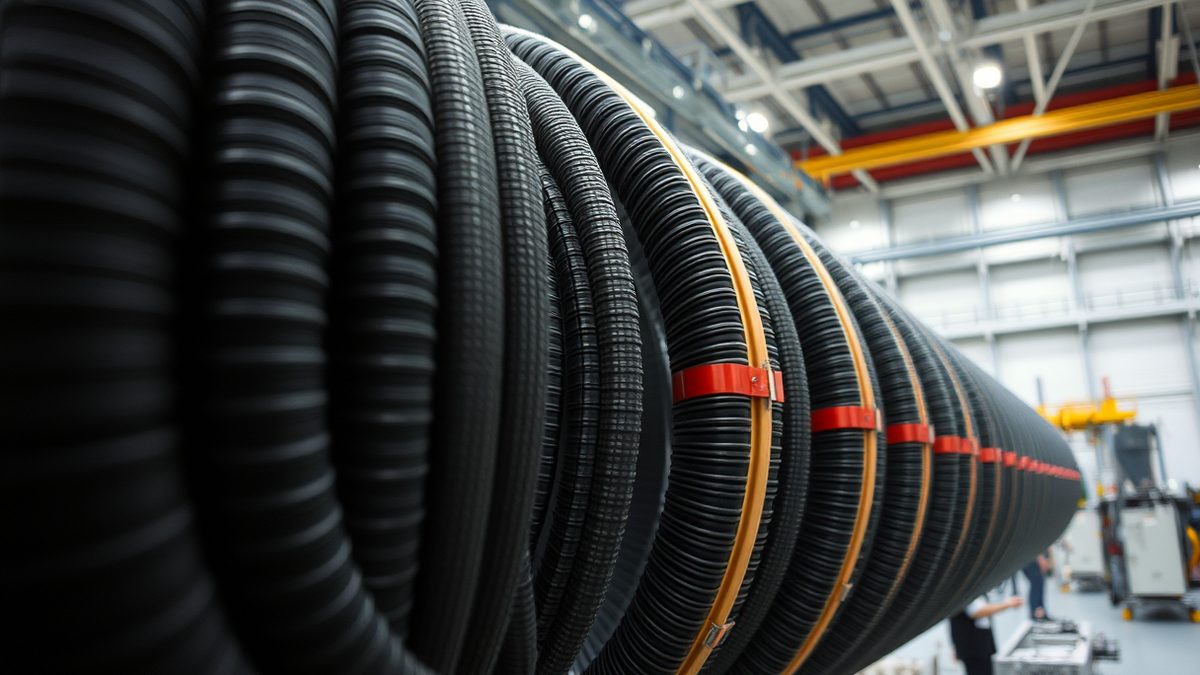
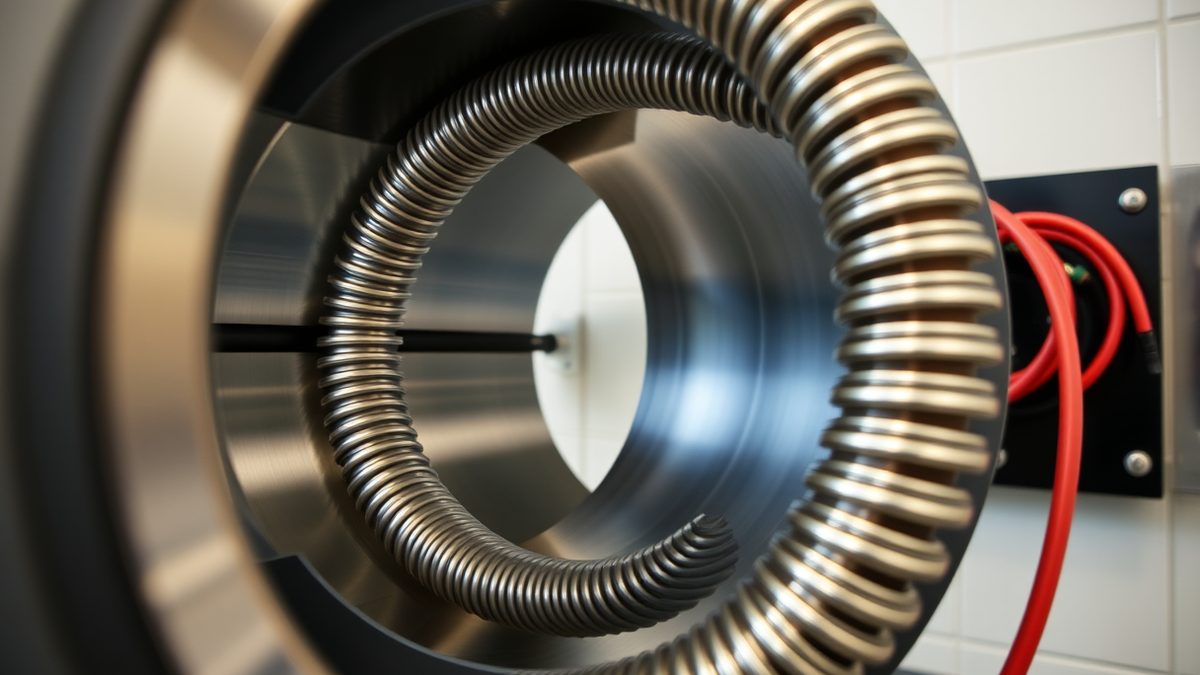
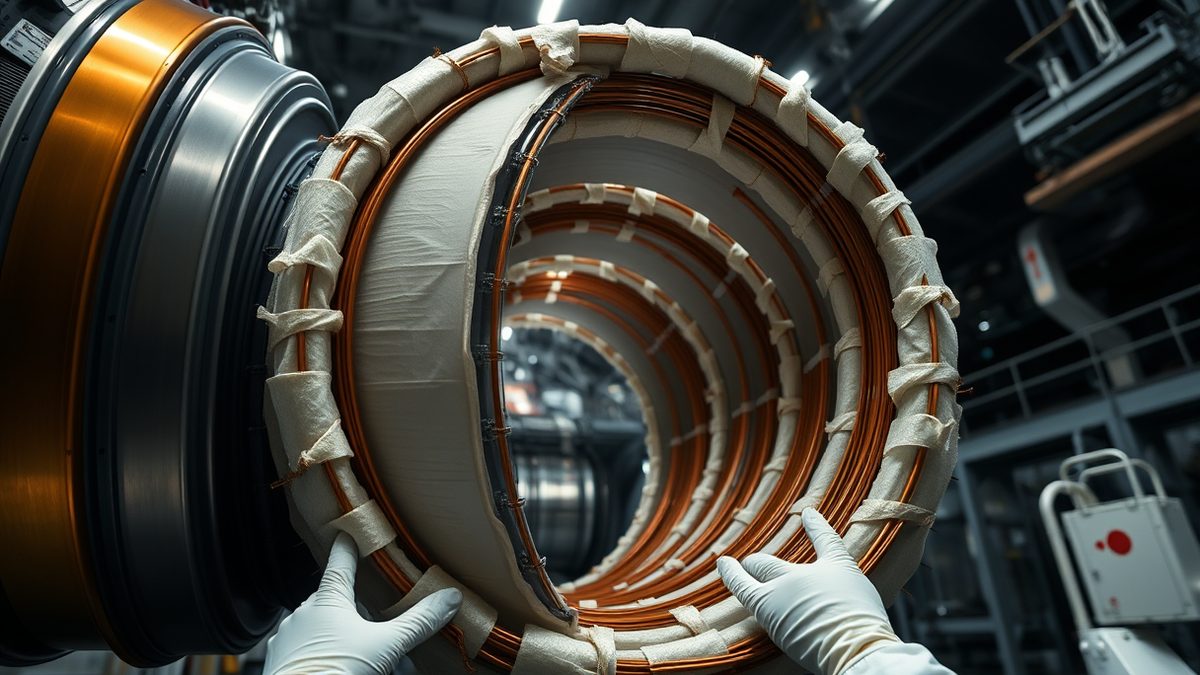
Japanese startup Helical Fusion expects to begin preliminary power-on tests at its Helix HARUKA demonstration reactor in 2027, the company said on Tuesday, with construction of the first spiral coil at the National Institute for Fusion Science in Toki now largely complete.
Science1 October 20265 min readSources 5
Japan's Helical Fusion says it will start preliminary power-on tests at its Helix HARUKA pilot reactor in 2027, the company said on Tuesday, as reported by The Asahi Shimbun on 30 September. That is a first-stage milestone, not a power plant: commercial operation, CEO Takaya Taguchi told reporters, is targeted for the 2040s at the earliest.
Science1 October 20264 min readSources 15
Europe's launch plans took a concrete step on Thursday 1 October when PLD Space and France's CNES said they will study a second launch pad at the Guiana Space Centre, while Ars Technica reported on 30 September that Russia's long-delayed crewed spacecraft is now targeting a debut flight in 2028 or 2029.
Science1 October 20267 min readSources 6